

Ancestry research has exploded in popularity in recent years, and it’s easy to understand why. At some point in our lives, every one of us has been asked about our heritage, our family origins or the winding branches of our own family tree. For me, that curiosity has always been there. Maybe it grew from a natural love of history — a subject I gravitated toward throughout college — or maybe it came from simply wanting to understand the people who came before me.
About ten years ago, my dad told me a story that pulled me deeper into my family’s past. He mentioned that my great-great-great grandparents survived the historic Peshtigo Fire in northeastern Wisconsin in 1871. Anyone raised in Wisconsin knows the story: the deadliest wildfire in American history, occurring on the same day as the Great Chicago Fire. Thousands perished, entire communities were erased and the accounts of survival are almost beyond belief. My ancestors reportedly escaped by seeking refuge in the Peshtigo River, ducking beneath the water again and again to keep from being burned alive.
That single detail — that my own family lived through one of the most catastrophic events in our nation’s past — sparked something in me. I wanted to know more. Who were they? What happened to them after the fire? What else had my family endured?
I finally purchased an Ancestry.com membership, took the DNA test and began tracing the branches backward. In 2018, the results painted a fascinating picture: a heritage primarily Bohemian, Danish and German, but also threads of Greek, Russian, Italian and several other backgrounds woven in. It was a reminder that our identities are rarely simple. They are layered, shaped by generations of journeys, hardships and choices.
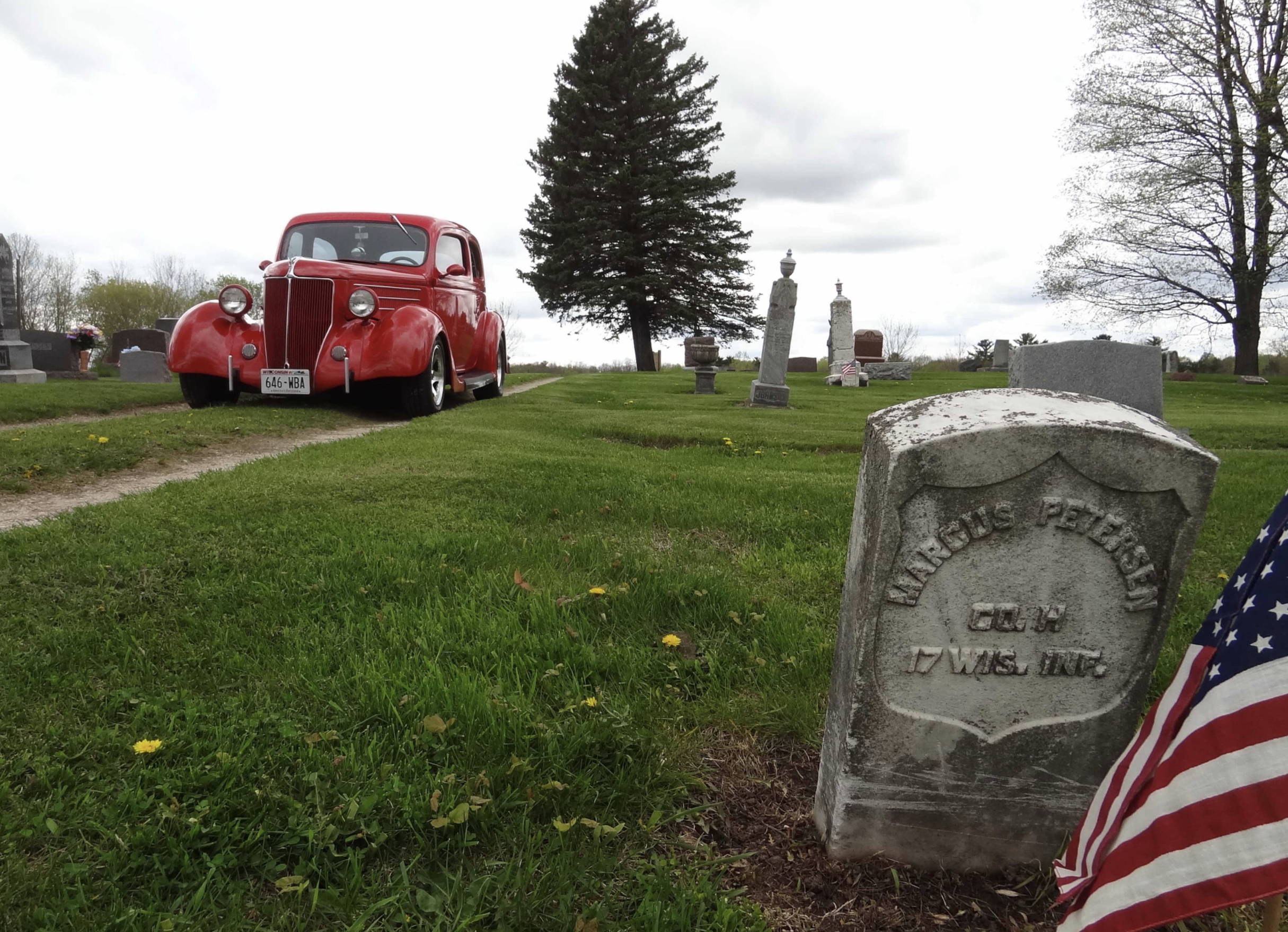
A month ago, I picked up my research again — and uncovered something none of my relatives had ever mentioned. I learned I had a great-great-great grandfather who served in the Civil War. His name was Marcus Peterson, though the spelling varies between Petersen and Pederson. He had immigrated to the United States only a few years before being drafted into the 17th Wisconsin Infantry Regiment.
The regiment trained at Camp Randall in Madison before moving south into the final, grueling campaigns of the war. Peterson’s service began late, in 1864, and he mustered out in 1865. But the war took its toll. Records show he became seriously ill during his service. By the time he returned home in the summer of 1865, his condition had worsened, and he died just a few months later.
Finding him — a man I never knew existed — filled me with an unexpected sense of pride. To discover that an ancestor fought, suffered and ultimately gave his life during one of the most consequential chapters in American history is humbling. My search for more about him continues, and I hope to share that story in the future.
But this editorial isn’t about my discoveries. It’s about yours.
Learning where we come from helps explain who we are today. It connects us to struggles we never witnessed, cultures we never experienced and people whose decisions shaped our lives before we ever took our first breath. Whether your heritage spans continents or comes from one small corner of Iowa, your story matters — and it deserves to be known.
If you feel even a spark of curiosity, I encourage you to explore it. Start a family tree. Ask questions. Dig into old records. You may be surprised by what you find.
And if you uncover something meaningful — a story, a photograph, a piece of history — we’d love to hear it. Reach out to us at The Osage Oracle. Your family’s past is part of our shared community story.
Good luck on your search. May it lead you somewhere remarkable.
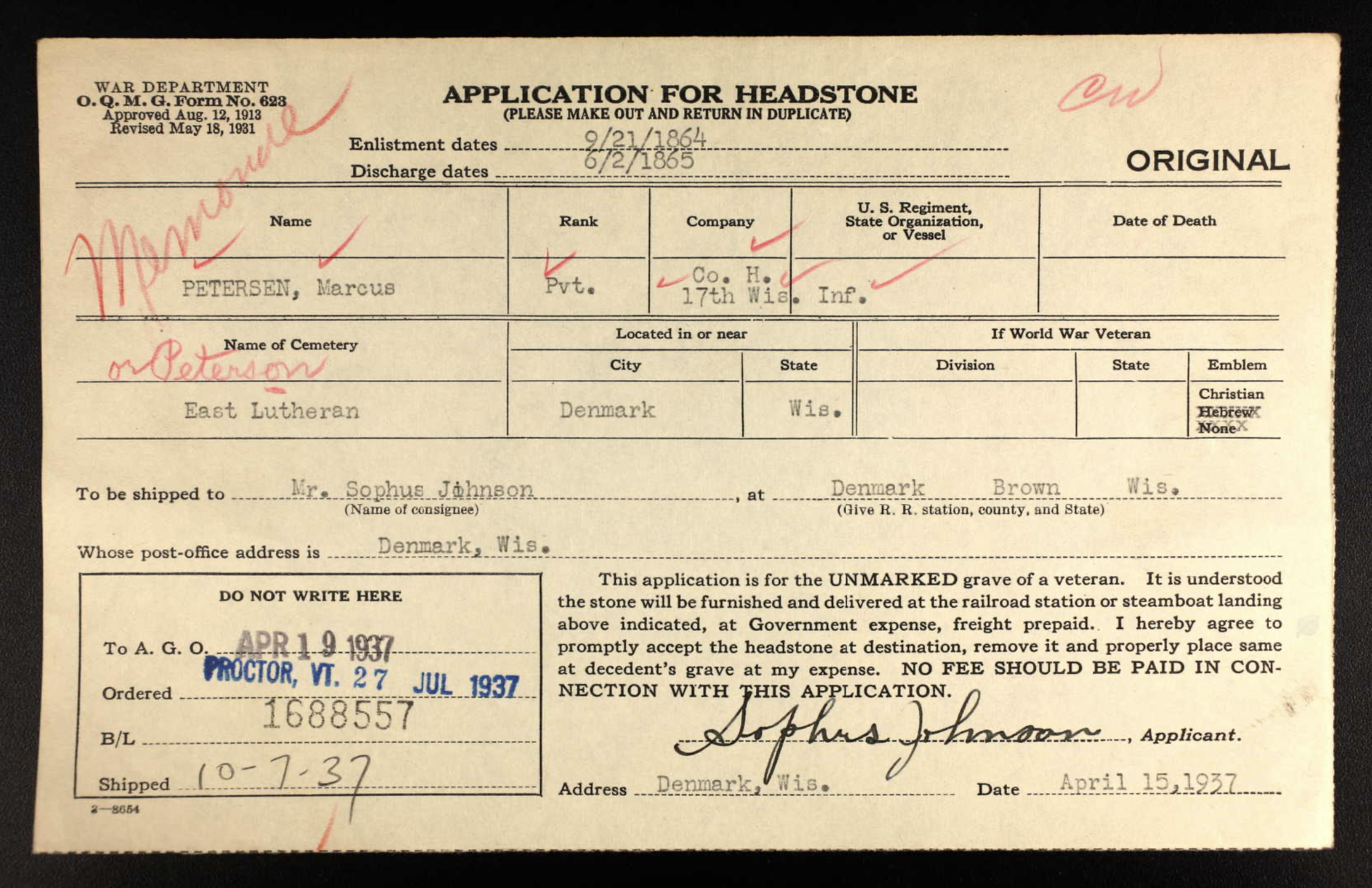
This document, produced in 1937, helped get him the headstone he deserved.